
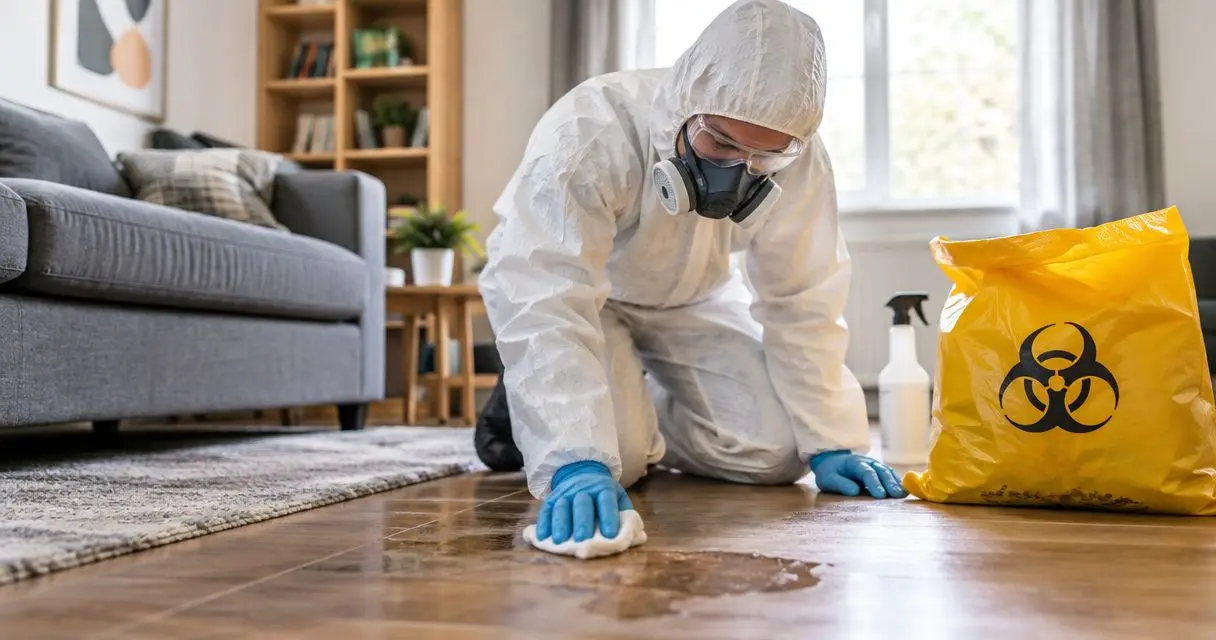
Homeowners insurance can cover biohazard cleanup when the contamination results from a loss covered by your policy, but the cleanup itself does not establish coverage. Your deductible, exclusions, coverage limits, and any required endorsements determine what the insurer pays. For a claim in 2026, report the incident promptly and ask the insurer to identify the policy provisions that apply before you authorize nonemergency work.
- Does homeowners insurance cover biohazard cleanup? Coverage depends on the incident, policy exclusions, limits, and endorsements.
- Phoenix Restoration Group provides biohazard restoration in Carlisle, Des Moines, and Central Iowa; insurance coverage requires separate confirmation.
- Document damage safely, report the loss, and request written guidance before authorizing nonemergency cleanup.
- Emergency restoration is available 24/7; free inspections are during business hours, 8am to 4:30pm.
Does homeowners insurance cover biohazard cleanup?
Homeowners insurance can pay for eligible cleanup after a covered loss; it does not cover every incident involving biological contamination. Start with the cause of the damage, then check how the policy treats the affected building materials, belongings, and cleanup work.
For local assistance, Phoenix Restoration Group provides biohazard restoration alongside water, fire, and mold restoration. A restoration assessment and an insurance coverage decision serve different purposes.
| Incident or expense | Coverage question to resolve | What to request |
|---|---|---|
| Blood or bodily-fluid contamination | Does the underlying incident qualify as a covered loss? | The applicable coverage provision and exclusions |
| Sewage entering the home | Does the policy include the relevant sewer or drain backup coverage? | The endorsement, its scope, and its limit |
| Contamination associated with flooding | Is the cause excluded under the homeowners policy? | A separate review of any applicable flood policy |
| Contaminated furniture or other belongings | Does personal property coverage apply to the loss? | Instructions for documenting and disposing of affected items |
| Temporary relocation | Does covered damage trigger additional living expense coverage? | Written guidance on eligible expenses and documentation |
Use the policy and endorsements in force on the date of loss. A 2026 renewal summary does not replace those documents.
Why this matters
A cleanup estimate is not a coverage approval. You need a safe response to the contamination and a clear understanding of who is responsible for the work you authorize.
Insurance and restoration also follow different decision paths. The contractor assesses the affected area and proposed work; the insurer applies the policy to the reported loss. Do not treat a scheduled inspection, an open claim number, or an adjuster's visit as confirmation that every cleanup item is covered.
For a 2026 claim, keep the work authorization, estimate, insurer correspondence, and receipts together. Written records help you distinguish necessary cleanup from disputed or unrelated work.
Blood and bodily-fluid cleanup: check the underlying incident
Blood or bodily-fluid contamination does not produce the same coverage outcome under every homeowners policy. The insurer must evaluate the reported event, the resulting property damage, and the policy language.
Describe what happened factually when you report the loss. Identify affected rooms and materials without entering an unsafe area, and explain whether authorities have restricted access. Do not assume that the existence of an incident report establishes insurance coverage.
Ask the adjuster to separate the proposed work into recognizable tasks: removing affected materials, cleaning remaining surfaces, handling contaminated contents, and repairing the building. That breakdown makes it easier to identify which items the insurer accepts and which require further review.
Do not authorize access until the responsible authorities release any restricted scene. Insurance approval does not override an access restriction.
Sewage contamination: verify the backup endorsement
Sewage inside a home requires a cause-specific insurance review. A sewer or drain backup, surface-water flooding, and a plumbing discharge are not interchangeable descriptions for a claim.
Ask the insurer whether the policy includes a water-backup endorsement and whether that endorsement applies to the reported event. An endorsement can have its own limit and conditions, so confirmation that you purchased it is only the start of the review.
Give the insurer the available facts rather than choosing a cause yourself. Record where the water appeared, what you observed, and any findings from the relevant service professional. Preserve reports and photographs taken from a safe location.
Keep people and pets away from sewage-contaminated areas. Do not begin handling affected belongings merely to produce a more detailed inventory.
Hoarding or animal waste: separate conditions from covered events
A property condition and an insured event are not the same thing. Hoarding, accumulated animal waste, or contamination that develops over time requires a different coverage review from damage tied to a specific reported incident.
If several conditions exist together, document them separately. Explain which damage appeared after the incident and which conditions were already present, without guessing about dates or causes you cannot establish.
Ask whether the insurer is evaluating a particular damaged item, a specific cleanup task, or the entire claim. A decision about one part of the property should not be mistaken for an explanation of every requested expense.
Request the reason for any exclusion in writing, with the relevant policy language. A general statement that a home needs cleaning does not explain how the policy applies.
Why biohazard cleanup coverage varies
Coverage varies because homeowners policies insure specified risks under defined terms, not because a contractor labels a job biohazard cleanup. These factors determine the review:
- Cause of loss. The insurer evaluates the event that produced the contamination, not just the material left behind.
- Exclusions. An exclusion can restrict an otherwise relevant coverage provision. Read the complete wording, including exceptions.
- Endorsements. Added coverage changes the policy only within the endorsement's stated scope and conditions.
- Affected property. Building materials, personal belongings, and relocation expenses fall under different coverage provisions.
- Limits and deductible. An accepted claim still remains subject to the applicable financial terms.
- Required documentation. The insurer needs enough information to evaluate the cause, damage, and proposed work under the policy.
Do not compare your claim only with a neighbor's outcome. Similar-looking damage can involve different causes, endorsements, and policy terms.
What should you do before authorizing cleanup?
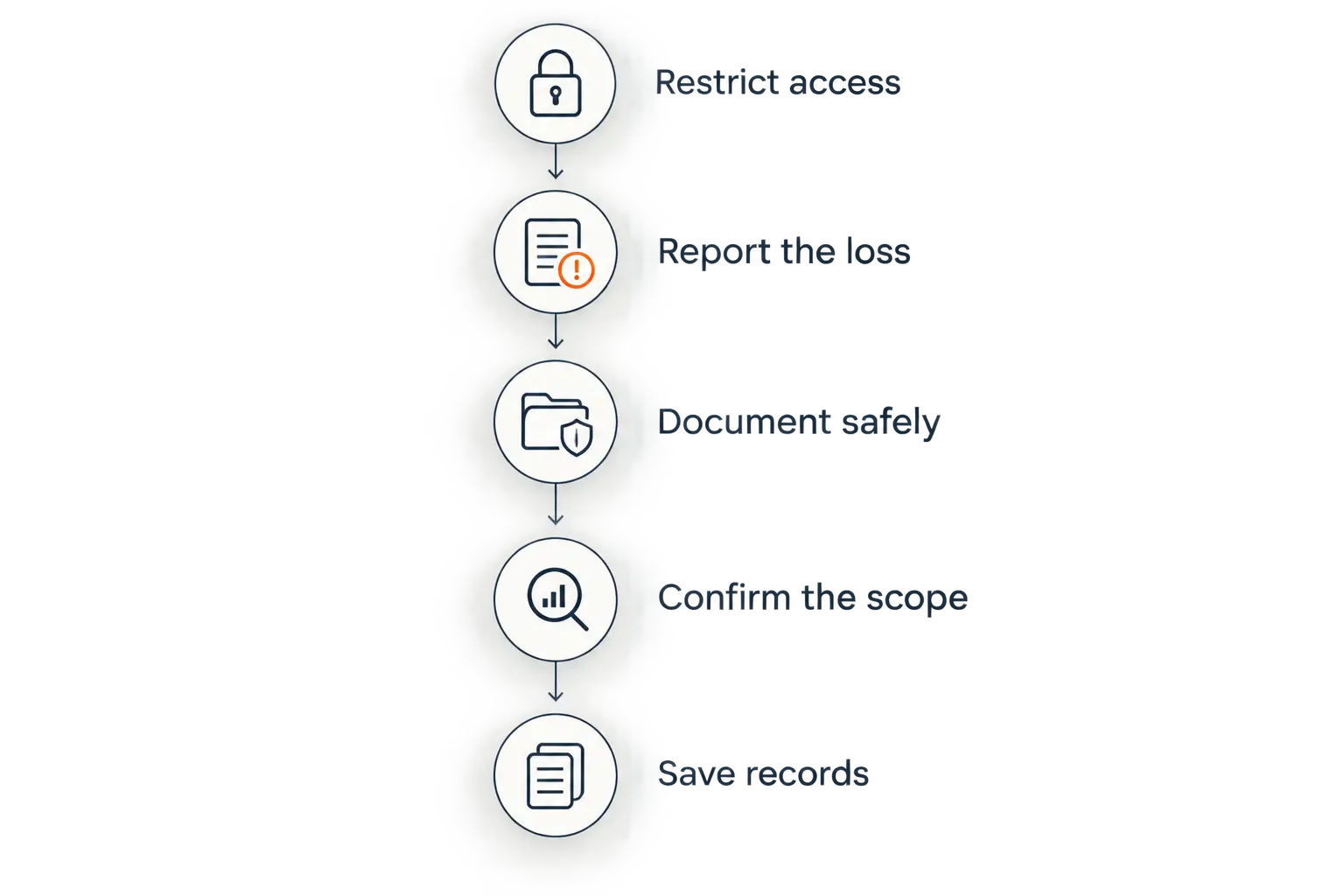
Address immediate safety concerns, report the incident, and establish a written record of the proposed work. Do not delay an emergency response simply to finish an inventory.
- Restrict access. Keep occupants and pets out of affected areas. For an immediate threat to life or safety, contact emergency services.
- Report the loss. Tell your insurer what happened and ask for the claim number, assigned contact, and reporting requirements.
- Document safely. Save photographs, incident reports, and a factual timeline without disturbing restricted or contaminated areas.
- Confirm the scope. Request an itemized assessment identifying the affected materials and proposed cleanup tasks.
- Save records. Keep authorizations, invoices, disposal documentation provided to you, and communications about coverage or changes.
These steps organize the claim; they do not guarantee payment. Ask the insurer what emergency mitigation it expects and how to document that work before permanent repairs begin.
What documents should you keep for a claim?
Build your 2026 claim file around evidence of the incident and the work, not a narrative you cannot verify. Include the date you discovered the contamination, the areas affected, and the actions taken afterward.
Useful records include the policy declarations, applicable endorsements, claim correspondence, photographs, an itemized estimate, signed authorizations, and invoices. Add incident reports or professional findings when available and relevant.
Before belongings are discarded, ask the adjuster what inventory and photographs are required. Do not retain hazardous items solely for an inspection; ask how to document necessary disposal safely.
Keep revisions to the scope of work as well as the original estimate. If concealed contamination changes the proposed work, request a written explanation and send it to the insurer for review.
How should you compare coverage before another incident?
Compare policy language rather than assuming a broader description means broader protection. During a 2026 policy review, ask how the insurer treats sewage backup, biological contamination, damaged contents, and temporary relocation after a covered loss.
When comparing homeowners insurance coverage options, the useful distinction is between coverage included in the base policy, coverage added by endorsement, and losses excluded altogether. Those differences matter more to a biohazard claim than the name of the policy package.
Ask your agent to identify the relevant provisions in the policy offered for your Iowa property. An example from another state does not establish your coverage, and a newly purchased endorsement should not be treated as coverage for damage that already occurred.
Keep the answers with your policy records. The goal is to know which protection you have before you need to make a claim.
Can you start cleanup before the adjuster visits?
Emergency mitigation and permanent repair are different decisions. Follow safety restrictions, report the loss promptly, and ask the insurer how to document work needed before its inspection.
Ask whether photographs, an itemized assessment, or a remote review will satisfy the insurer's documentation requirements. Request written instructions about retaining samples or damaged materials, especially when keeping them would create a safety concern.
Read the contractor's authorization before signing. Confirm the scope you are approving, how changes will be authorized, and your payment responsibility if the insurer disputes an item.
Permission to begin work is not the same as an agreement to pay the entire invoice. Ask the insurer to clarify which tasks it has reviewed and which remain unresolved.
What happens if the insurer denies cleanup coverage?
A denial should identify the policy basis for the decision. Request the written explanation and compare it with the facts, estimate, and endorsements in your claim file.
If the decision relies on an incorrect cause, an incomplete damage description, or missing documentation, submit the relevant correction and ask for reconsideration. Keep the response factual and organized by the specific disputed item.
Ask your insurer about its review process and any applicable deadlines. For help understanding an insurance dispute in Iowa, you can contact the Iowa Insurance Division or seek qualified legal advice.
A cleanup company cannot overturn an insurer's coverage decision. Keep discussions about property conditions separate from advice about your contractual or legal rights.
Where can you get biohazard cleanup help in Central Iowa?
Phoenix Restoration Group is best for property owners seeking local biohazard restoration in Carlisle, Des Moines, and Central Iowa. The company provides 24/7 emergency water, fire, mold, and biohazard restoration, with clear communication from the initial assessment through cleanup.
Free inspections for all services take place during business hours, 8am to 4:30pm. That inspection schedule is separate from 24/7 emergency restoration availability; it does not mean every emergency visit is a free inspection.
You can contact the restoration team to explain the incident and access conditions. The service addresses cleanup needs, while your insurer determines coverage under your policy. Neither emergency availability nor a free business-hours inspection establishes an insurance payment obligation.
FAQ
Does homeowners insurance cover biohazard cleanup after a death?
Homeowners insurance can cover eligible property cleanup after a death, but a death alone does not establish coverage. The insurer must evaluate the incident, resulting damage, exclusions, and applicable policy provisions.
Does homeowners insurance cover sewage cleanup?
Sewage cleanup coverage depends on the cause and the applicable policy language or endorsement. Ask specifically about sewer or drain backup coverage rather than assuming all contaminated water is treated alike.
Will insurance pay to replace contaminated carpet?
Insurance can pay for contaminated carpet when the damage and replacement qualify under the policy. Document the affected material and ask the adjuster what evidence is needed before removal.
Can I hire a cleanup company before insurance approves the claim?
You can arrange cleanup before a final coverage decision, but you need to understand the work authorization and your payment responsibility. Ask the insurer how to document emergency mitigation and distinguish it from permanent repairs.
Will homeowners insurance pay for a hotel during biohazard cleanup?
Hotel expenses require a review of the policy's additional living expense coverage and the circumstances making the home uninhabitable. Ask for written guidance on eligibility and keep receipts.
Does a free inspection mean my cleanup is covered?
A free inspection does not establish insurance coverage. Phoenix Restoration Group offers free inspections for all services during business hours, 8am to 4:30pm, separately from its 24/7 emergency restoration service.
What should I ask if my biohazard cleanup claim is denied?
Ask for the denial in writing and the specific policy provisions supporting it. Review whether the insurer has the correct facts and all relevant endorsements, then follow the stated review process.
One last thing
Ask for the coverage decision and the cleanup scope as separate documents. One explains what the insurer accepts under the policy; the other explains the work proposed for your property. Comparing them item by item exposes unanswered questions before you authorize additional work.